5 species to target this summer (and when to go)
By Logan Parrott
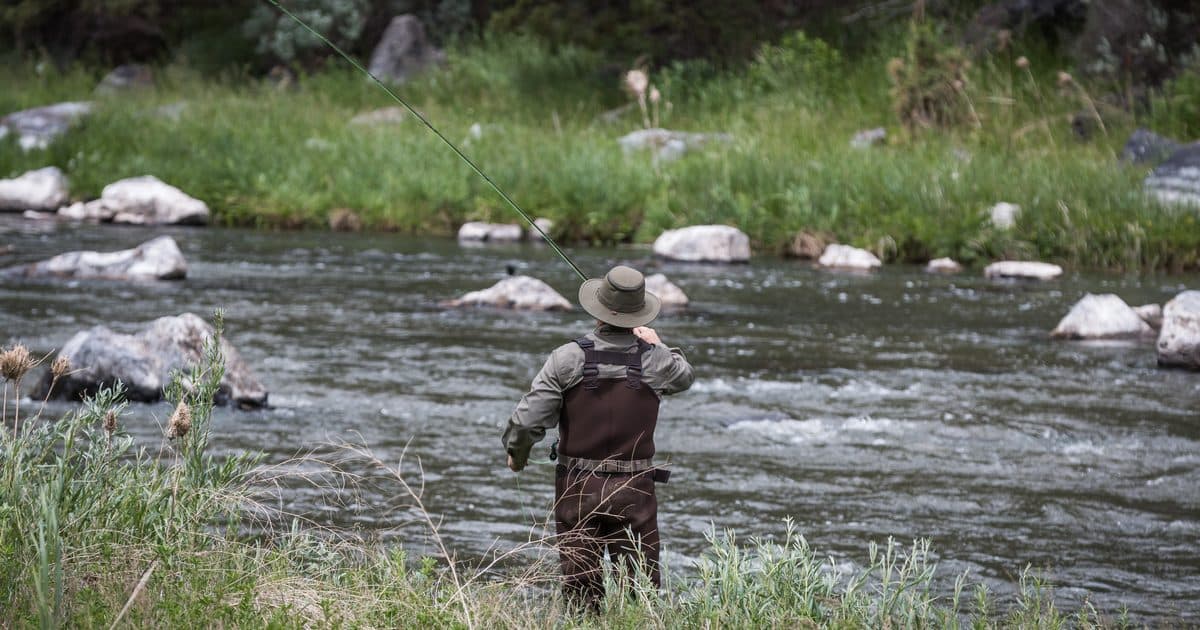
Summer fishing has a reputation problem. The conventional wisdom is that the heat drives fish deep and lethargic, and that the best fishing is behind you until fall. That's not wrong — but it misses a more useful truth: summer fishing is selective. The anglers who understand which species are active, and precisely when, have the best fishing of the year.
Here are five species that reward that selectivity, and how to time your trips around each one.
1. Largemouth Bass
Best time: Early morning (6–9 AM) and late evening (7–9 PM) during major solunar periods
Summer bass retreat to deeper structure during midday heat — 15 to 25 feet of water near drop-offs, creek channels, or submerged timber. But they push shallow aggressively in the low-light windows. A major solunar period landing within an hour of sunrise is as good as it gets.
What to throw: Topwater frogs and poppers in low light; Texas-rigged soft plastics and Carolina rigs for the midday deep bite.
2. Bluegill
Best time: Mid-morning through early afternoon, especially during spawning (late May through July)
Bluegill are the summer species that actually improves during daylight hours — they're protecting beds in 2–6 feet of water through the spawn and are aggressively territorial. They don't need solunar alignment the way bass do; they need light.
What to throw: Small poppers, beetle spins, or live crickets under a bobber. If you can see the beds, fish directly over them.
3. Channel Catfish
Best time: Night — the 2–3 hours after sunset are prime
Summer heat concentrates catfish near deeper holes during the day. After dark, they fan out across flats and creek mouths actively foraging. Night fishing for catfish on warm evenings is one of the most consistent bites on the calendar.
What to throw: Cut shad, chicken liver, or stink bait on the bottom. Set multiple rods to cover different depths.
4. Crappie
Best time: Dawn and dusk, around brush piles and structure in 8–15 feet of water
Post-spawn crappie move off the beds into slightly deeper cover. Summer crappie schools suspend at a consistent depth — find that depth on one fish and every cast to the same level produces. The early morning window before the heat sets in is consistently their most active period.
What to throw: Small jigs (1/16 to 1/8 oz) in chartreuse or white, fished vertically under a float or on a tight line.
5. Striped Bass
Best time: Early morning during temperature inversions, or overcast days
Stripers chase shad schools near the surface when water temps stay manageable — usually early morning before surface temps climb. In reservoirs, find the thermocline (typically 15–25 feet down in summer) and fish the top of it. Schools of shad on live sonar are the best indicator.
What to throw: Swimbaits, umbrella rigs, or live shad if regulations allow. Topwater pencilbaits in the first hour of light.
The Tacklbox bite score shows all five of these species in the forecast — select your target, and the hourly chart tells you exactly which window to plan around. Download Tacklbox on the App Store or Google Play to get started. 🎣